
Starting to Plant on a Riverbank
Four steps before the first seedling goes into the ground: permission, the right species, the right season, and care afterwards.
Planting on a riverbank is different from planting in a yard. The soil is wet, the current works every day, and a tree in the wrong place will fall before its roots are strong. The order is simple and cannot be skipped.
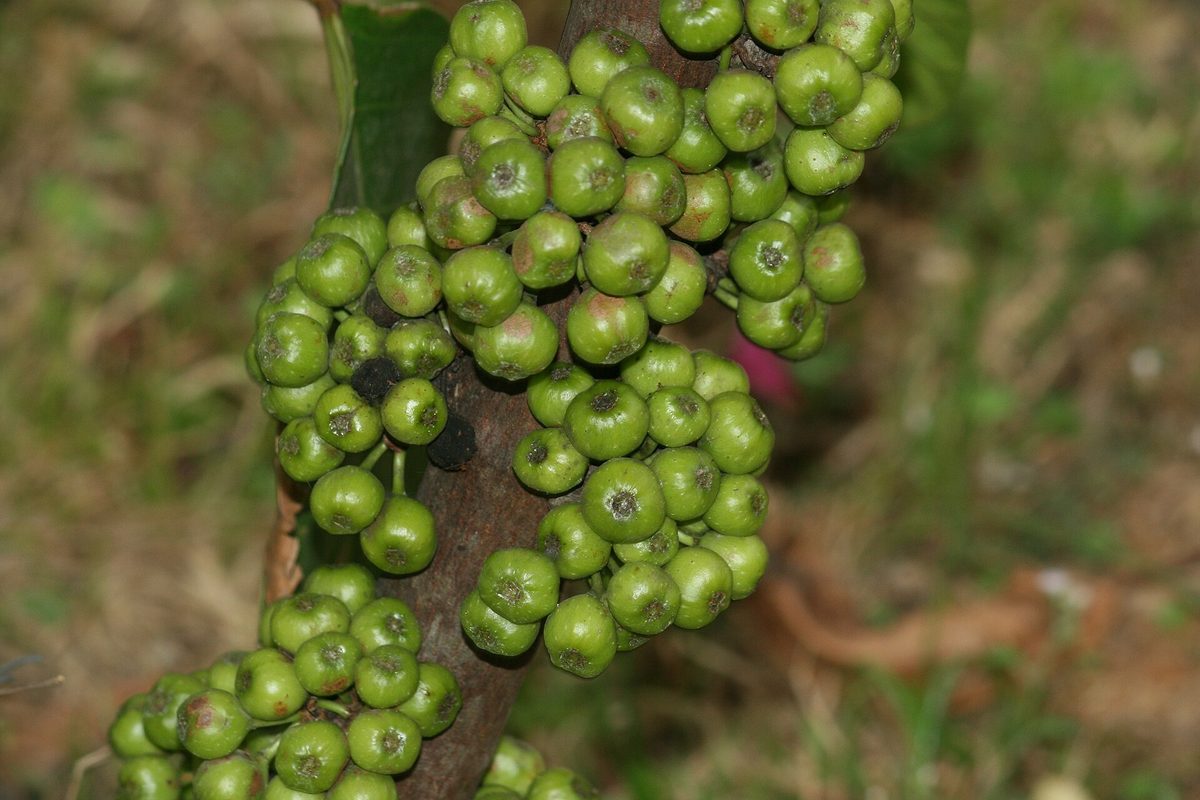
First, permission and place. Make sure the bank you will plant has a clear manager and that you have permission from the land owner or manager. Second, choose the species. For the water's edge, we study riverside figs such as beunying (Ficus fistulosa) — a tree that truly lives on banks and is used by birds for perching and nesting. Mountain species such as rasamala and puspa are not planted in the lowlands.
Third, plant at the start of the rainy season so seedlings get water without daily watering. Fourth — and this is the one most often forgotten — care for them: clear the weeds around the seedling, record the ones that die, and replace them the following season. A tree that is planted and then abandoned is not restoration, only ceremony.
Every seedling we plant is recorded: species, location, and planting date. That record is what makes our place page trustworthy.